
Custom vs. Boil-and-Bite Mouthguards: What Indianapolis Parents Should Know Before Fall Sports
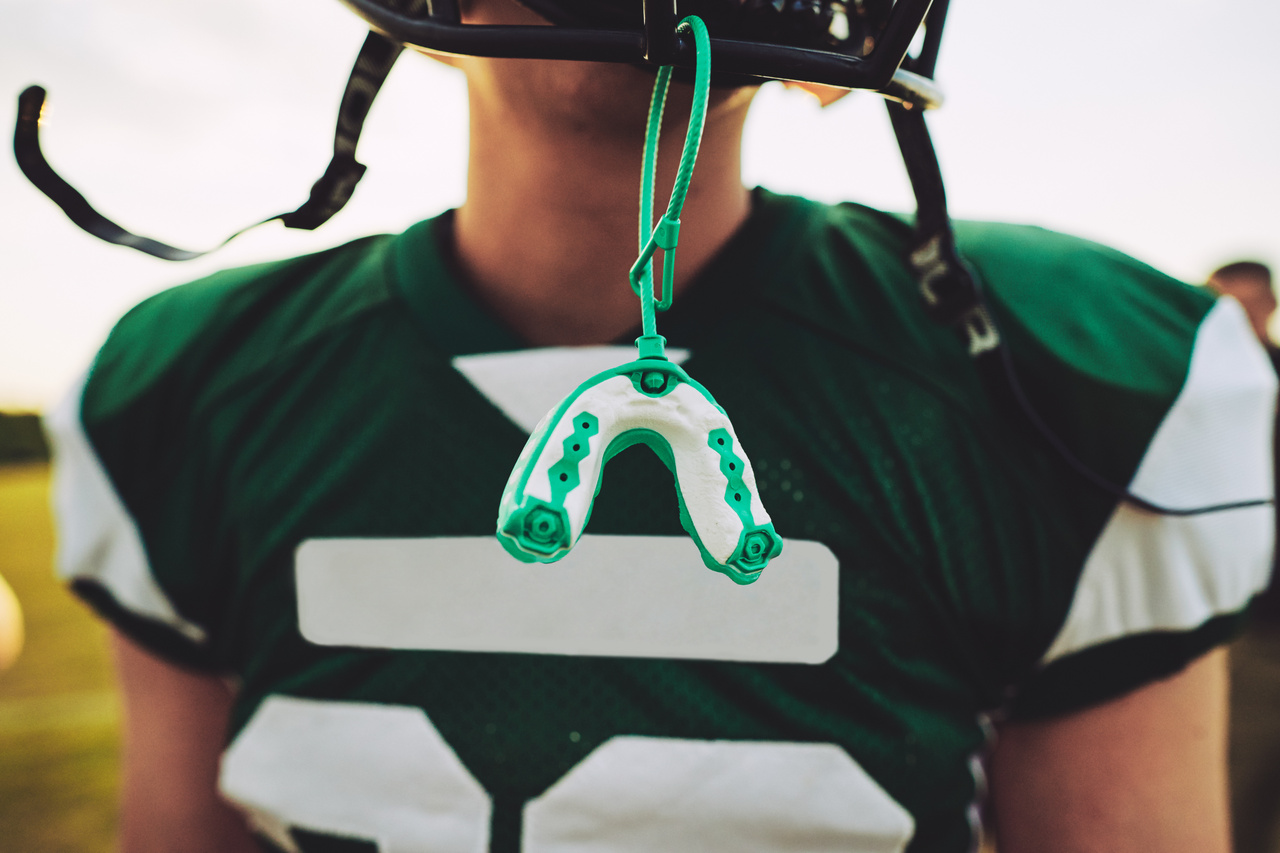
Custom-fitted mouthguards made by a dentist provide dramatically better protection than boil-and-bite guards from a sporting goods store. Custom guards are molded precisely to each athlete's teeth, stay in place during impact, allow easier breathing and speaking, and last multiple seasons — while boil-and-bite guards often shift out of place, feel bulky, and need frequent replacement. For competitive youth athletes, the cost difference is real, but so is the protection difference.
Why Mouthguards Matter for Youth Athletes
According to the American Dental Association, athletes who don't wear mouthguards are 60 times more likely to sustain dental injuries during sports. Dental trauma isn't just painful and expensive — a knocked-out tooth in a 12-year-old can lead to a lifetime of dental work, including implants, bridges, and cosmetic repairs that easily total $20,000 or more over a lifetime.
Fall sports like football, soccer, lacrosse, field hockey, and even basketball all carry meaningful dental injury risk. If your child plays a contact or collision sport, a proper mouthguard is essential protective gear. And if the worst happens, our same-day emergency dentistry is available during business hours for immediate care.
How Boil-and-Bite Mouthguards Work
Boil-and-bite guards are pre-formed thermoplastic shells that soften in hot water. The athlete then bites into the softened material to create a rough impression of their teeth. They're inexpensive (typically $10-30) and available at any sporting goods store — which is why they're the default for most youth athletes.
The problem is precision. Boil-and-bite guards produce an approximate fit, not a precise one. They tend to be bulky, can shift during play, may cause gagging, often make breathing and speaking difficult, and typically wear out or lose their shape within a single season.
How Custom Mouthguards Are Different
Custom mouthguards are made in a dental office using precise measurements of your athlete's teeth. At Brauer Family Dentistry, we use iTero digital scanning to capture a 3D model of the mouth without any goopy putty impressions. That scan is used to fabricate a guard that fits the exact contour of the teeth, gums, and bite.
The result is a guard that:
- Stays firmly in place during impact and physical exertion
- Allows easier breathing during high-intensity play
- Permits clearer speech for calling plays or communicating with teammates
- Feels less bulky and more comfortable to wear consistently
- Distributes impact force more evenly, reducing concussion risk in addition to dental injury
- Lasts multiple seasons with proper care
The Cost Comparison
Custom mouthguards cost more upfront than boil-and-bite options — typically $150-300 depending on the sport and complexity. But when you factor in longevity (2-3 seasons versus 1) and the potential cost of a single dental injury (a knocked-out tooth requiring implants can run $4,000-6,000 or more), the math heavily favors custom guards for any serious youth athlete.
Many dental insurance plans partially cover custom mouthguards, especially for children and teens in organized sports. Our team can verify your coverage before treatment.
Which Sports Need Which Type of Protection?
The right level of mouthguard depends on the sport:
- High-collision sports (football, hockey, lacrosse, rugby, boxing, MMA) — custom mouthguards strongly recommended
- Contact sports (basketball, soccer, wrestling, field hockey) — custom or high-quality boil-and-bite acceptable
- Non-contact sports with fall risk (gymnastics, skateboarding, mountain biking, skiing) — mouthguard recommended for practice and competition
- Low-risk sports (swimming, running, tennis) — mouthguard usually not required
Braces or orthodontic appliances add another consideration. Standard mouthguards can damage braces, and boil-and-bite guards may not fit properly over brackets. Custom guards designed for athletes in orthodontic treatment protect both the teeth and the appliance.
How Long Does It Take to Get a Custom Mouthguard?
Most custom mouthguards are ready within a week to ten days after the initial scan. The scanning appointment itself takes about 15-20 minutes and is completely comfortable — no goopy impression material. Once the guard is ready, a brief fitting appointment confirms proper fit and makes any minor adjustments.
For fall sports season, we recommend scheduling the scan appointment at least two weeks before the first practice. For year-round athletes or those who grind their teeth at night (bruxism), the same custom-fit technology can produce a nightguard for TMJ symptoms or a dual-purpose guard for both athletic and nighttime protection.
Care and Maintenance
Custom mouthguards last significantly longer with proper care:
- Rinse with cool water after every use
- Brush gently with a soft toothbrush and toothpaste once a week
- Store in a ventilated case to prevent bacterial growth
- Keep away from heat (car dashboards, dishwashers, hot water) which can warp the plastic
- Bring the guard to routine dental checkups so we can check fit and integrity
For a deeper dive into mouthguard cleaning routines, see our existing article on the best way to clean a mouthguard.
Schedule a Custom Mouthguard Fitting
Brauer Family Dentistry serves families across Indianapolis, Castleton, Fishers, Carmel, Noblesville, and Geist. Dr. Ted K. Brauer has been fitting custom mouthguards for youth and adult athletes since 2003, using iTero digital scanning for a fast, comfortable process with no goopy impressions.
Schedule a custom mouthguard fitting at Brauer Family Dentistry by calling (317) 585-0005 today — ideally two weeks before your athlete's first practice.
