
Professional Teeth Cleaning in Indianapolis
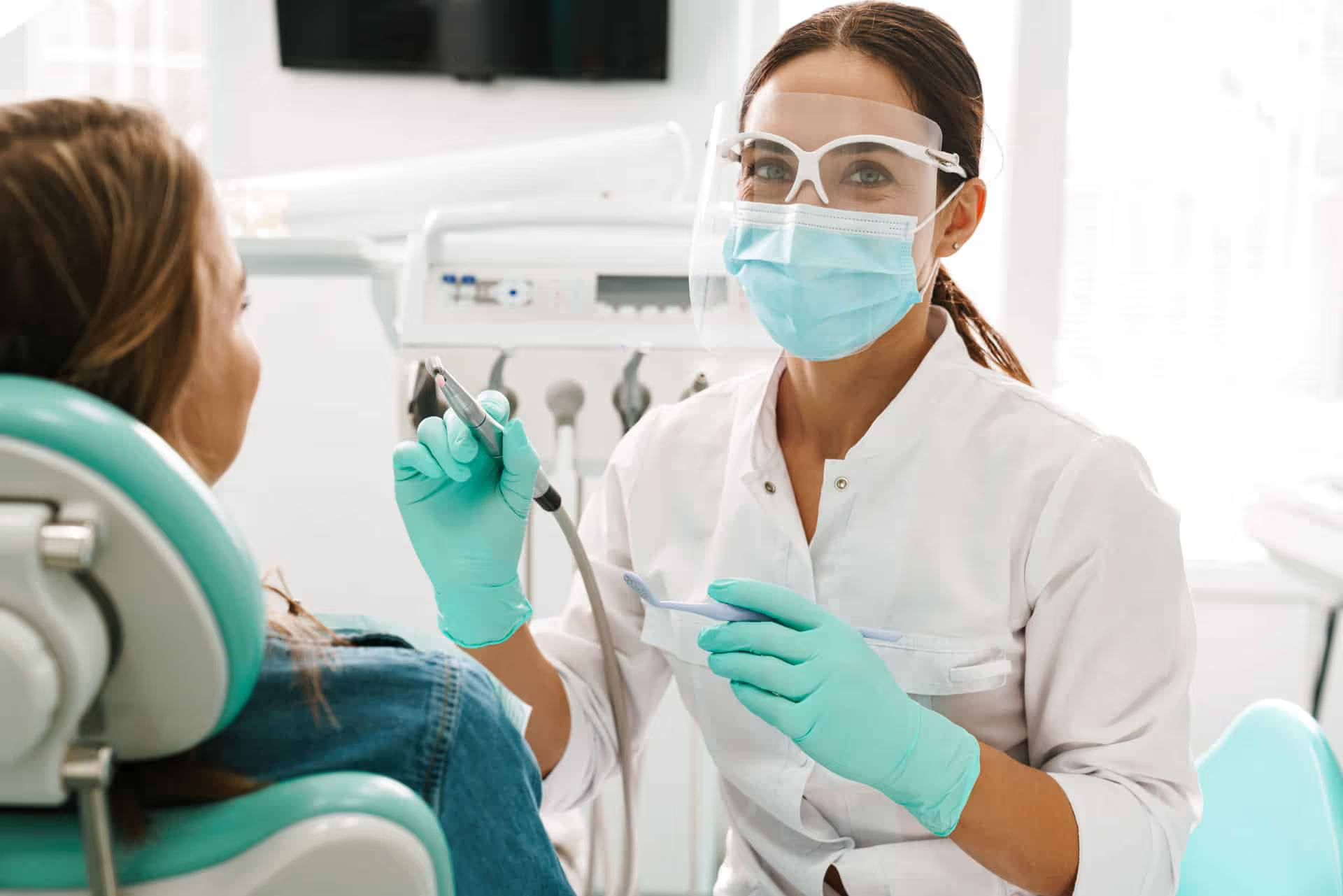
Gentle, thorough cleanings from a trusted Indy dental team — serving patients across Indianapolis, Castleton, Fishers, Carmel, Noblesville & Geist since 2003.
A professional teeth cleaning is more than just polish — it's the foundation of long-term oral and overall health. Even with perfect brushing and flossing at home, plaque hardens into tartar that only a dental hygienist can remove. Skip those cleanings, and you set the stage for cavities, gum disease, and the chronic inflammation researchers now link to heart disease, stroke, and diabetes.
At Brauer Family Dentistry in Indianapolis, our hygienists combine traditional scaling and polishing with advanced laser-assisted techniques and digital imaging to deliver the most thorough, comfortable cleaning experience available. Dr. Ted K. Brauer has been treating Indianapolis families since 2003 — and consistent preventive care is the single thing he recommends most for keeping a healthy smile for life.
What's Included in a Professional Teeth Cleaning?
A standard cleaning at our Castleton office takes about 45 minutes to an hour and includes every step needed to leave your teeth genuinely clean — not just polished:
- Oral health review. Your hygienist will check your medical history and any changes since your last visit, including new medications or symptoms.
- Visual exam. Using our intra oral camera, we'll show you on a screen exactly what's happening in your mouth — plaque buildup, gum recession, early decay — so you understand what we're addressing.
- Scaling. Hardened tartar is removed from both above and below the gum line using precision hand tools and an ultrasonic scaler.
- Polishing. Surface stains and remaining plaque are buffed away with a gentle prophy paste.
- Flossing. A professional flossing reaches plaque that the scaling and polishing left behind, especially between tight contacts.
- Fluoride treatment. A topical fluoride application strengthens enamel and helps prevent decay — recommended for both adults and children.
- Doctor exam. Dr. Brauer performs a full exam including an oral cancer screening and reviews any digital X-rays before discussing next steps with you.
Routine Cleaning vs. Deep Cleaning: Which Do I Need?
Not every cleaning is the same. Depending on the health of your gums, Dr. Brauer may recommend one of two different cleaning types:
Most patients with healthy gums and consistent home care only ever need routine prophylactic cleanings. If you've gone several years between cleanings, are experiencing gum bleeding, or have been diagnosed with gum disease, a periodontal deep cleaning is usually the right starting point. We'll never recommend a deep cleaning that isn't clinically necessary — Dr. Brauer's philosophy is conservative care first.
Laser-Assisted Cleanings: A More Comfortable, More Effective Option
Traditional scaling alone can leave bacteria hiding in the deepest gum pockets. At Brauer Family Dentistry, we use laser dentistry to enhance cleanings for patients with gum disease, persistent bad breath, or stubborn inflammation.
What laser cleaning adds:
- Deeper bacterial elimination — the laser reaches gum pockets that hand tools and ultrasonic scalers can't access.
- Less discomfort — many patients report laser cleanings feel gentler than aggressive scaling.
- Faster healing — the laser also stimulates the gum tissue to heal more quickly after deep cleanings.
- Better breath, longer — eliminating odor-causing bacteria at the source provides longer-lasting freshness than scraping alone.
Laser-assisted cleanings are typically recommended in conjunction with a periodontal deep cleaning, not as a replacement for routine prophylactic cleanings.
Cleanings, Inflammation, and Whole-Body Health
Recent research has confirmed what holistic dentists have long suspected: oral health and overall health are deeply connected. The chronic inflammation caused by untreated gum disease doesn't stay in your mouth.
Conditions linked to poor oral health:
- Heart disease and stroke — bacteria from infected gums can enter the bloodstream, contributing to arterial inflammation.
- Diabetes — gum disease and elevated blood sugar create a two-way reinforcing loop, each making the other worse.
- Respiratory infections — bacteria from the mouth can be aspirated into the lungs, especially in older adults.
- Pregnancy complications — untreated periodontal disease is associated with preterm birth and low birth weight.
- Alzheimer's risk — emerging research has identified oral bacteria in the brain tissue of patients with Alzheimer's disease.
A professional cleaning every six months isn't cosmetic maintenance — it's preventive medicine. Dr. Brauer's holistic approach treats the mouth as the front door to the rest of your body.
How Often Should I Get My Teeth Cleaned?
The standard recommendation is every six months — but the right frequency depends on your individual oral health.
Every 6 months (most adults):
- Healthy gums with no bleeding
- Consistent home brushing and flossing
- No history of gum disease
- Low risk for tooth decay
Every 3-4 months (higher-risk patients):
- Active or treated gum disease
- Diabetes or other systemic inflammatory conditions
- Smokers or recent quitters
- Pregnancy (hormonal changes affect gum health)
- Heavy coffee, tea, or wine consumption
- History of frequent cavities
Dr. Brauer will recommend a cleaning schedule based on your specific oral health, not a generic timeline. For most of our Indianapolis patients, that's twice a year. For some, more frequent visits prevent small problems from becoming big ones.
Why Indianapolis Families Trust Us for Their Cleanings
- 20+ years of preventive care experience — Dr. Brauer has been keeping Indianapolis smiles healthy since 2003.
- A holistic, whole-body approach — your cleaning isn't just about your teeth; it's a checkpoint for your overall health.
- Advanced technology on every visit — intra oral cameras, digital X-rays, and laser-assisted options when appropriate.
- Comfort-first hygienists — our team has been with the practice for years and knows how to make even nervous patients feel at ease.
- One office for your whole family — children's cleanings, adult prophylaxis, and periodontal care all under one roof.
- Convenient Castleton location — easily accessible from Indianapolis, Castleton, Fishers, Carmel, Geist, and Noblesville.
- Sedation available for anxious patients — nitrous oxide and oral sedation are available for patients who need extra help relaxing during cleanings.
Professional Teeth Cleaning — Frequently Asked Questions
Why do I need a professional cleaning if I brush and floss every day?
Even perfect home care can't remove tartar — the hardened plaque that builds up at the gum line and between teeth. Once plaque hardens (usually within 24-72 hours), only a professional with specialized tools can remove it. Leaving tartar in place leads to cavities, gum recession, and eventually periodontal disease.
How long does a teeth cleaning take?
A routine prophylactic cleaning typically takes 45 minutes to an hour. A periodontal deep cleaning takes longer — usually 1-2 visits of about 90 minutes each, with the mouth split into quadrants for comfort.
Does a teeth cleaning hurt?
For most patients with healthy gums, no — a cleaning is comfortable and at most a little uncomfortable when scaling near sensitive areas. If your gums are inflamed or you have significant tartar buildup, you may feel some sensitivity. Let your hygienist know — we can adjust technique or offer numbing for sensitive areas.
What's the difference between a regular cleaning and a deep cleaning?
A regular cleaning (prophylaxis) removes plaque and tartar from above the gum line on patients with healthy gums. A deep cleaning (scaling and root planing) is a periodontal treatment that removes tartar from below the gum line and smooths the tooth root — it's recommended when gum disease is present.
How often should I get my teeth cleaned?
Most adults benefit from cleanings every six months. Higher-risk patients — including those with gum disease, diabetes, or who smoke — usually need cleanings every 3-4 months. Dr. Brauer will recommend the right schedule based on your individual oral health.
Will my insurance cover teeth cleanings?
Most dental insurance plans cover two preventive cleanings per year at 100% — they're considered preventive care, not a treatment expense. Deep cleanings are typically covered at a lower percentage. Our team will verify your specific benefits before your visit.
Can a teeth cleaning whiten my teeth?
A professional cleaning removes surface stains from coffee, tea, wine, and tobacco — so your teeth will often look noticeably brighter immediately after. For deeper, longer-lasting whitening, we offer professional teeth whitening treatments that go well beyond what a cleaning can achieve.
My gums bleed when I floss. Should I still come in for a cleaning?
Yes — and especially because of the bleeding. Bleeding gums are an early sign of gingivitis, the reversible first stage of gum disease. A professional cleaning combined with improved home care can often reverse gingivitis completely within a few weeks.
Are dental X-rays included with my cleaning?
Digital X-rays are recommended at routine intervals — usually once a year for bitewing X-rays, less often for full-mouth series. They're not always taken at every cleaning. Our digital technology uses up to 90% less radiation than traditional film X-rays.
I haven't been to the dentist in years. Will you judge me?
No — and we hear this often. Our team's only goal is to get your mouth healthy again, starting from wherever you are today. Many of our long-term patients first came in after long gaps. The hardest part of getting back into preventive care is making the appointment; we'll handle the rest.
Ready for a fresh start?
Whether it's been six months or six years since your last cleaning, our team is ready to help. Schedule a professional teeth cleaning at our Castleton office and take the first step toward better oral — and overall — health.
